
Field report 2 min read
Lower Crossroads
Current Phase: 3 / Progressing to a self-sustainable commercial project. Achieved Statuses: Ongoing Broad-based Feeding, Nutrition Education, Health and Nutrition Awareness Campaigns, Ongoing Nutrition Surveillance and Anthropometric Surveys Assessments, Biodiverse Productive Gar...
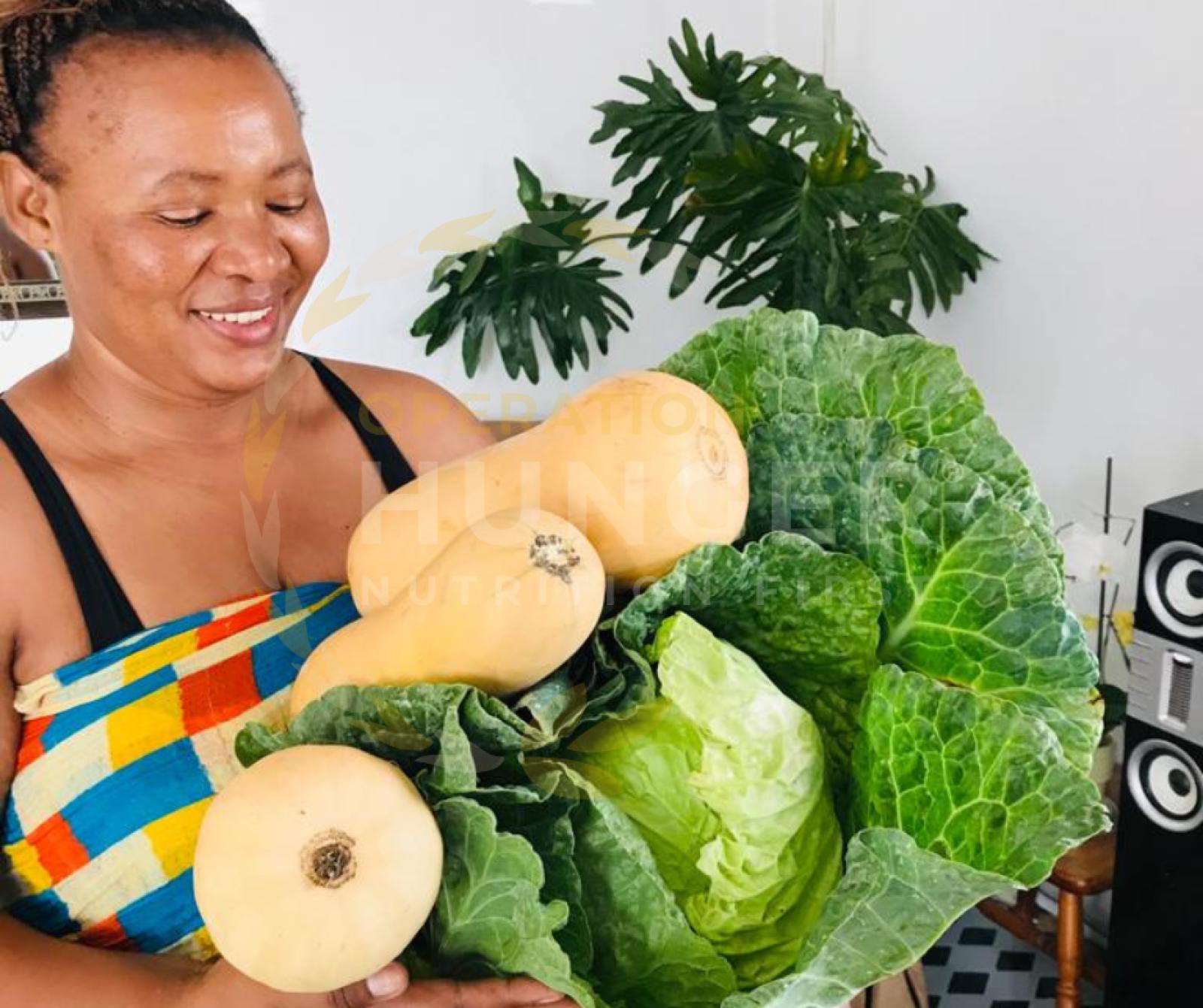
 Lower Crossroads Current Phase: 3 / Progressing to a self-sustainable commercial project.
Achieved Statuses: Ongoing Broad-based Feeding, Nutrition Education, Health and Nutrition Awareness Campaigns, Ongoing Nutrition Surveillance and Anthropometric Surveys Assessments, Biodiverse Productive Garden.


 R0 of R100 000 raised
- R200
- R600
- R1000
- R2000
- Own Amount
- PayFast (Credit Card, Debit Card, Instant EFT)
- Manual EFT
First Name *
Last Name
Email Address *
Make this an anonymous donation.
Comment

Donation Total: R200.00
{amount} donation plus {fee_amount} to help cover fees.
Food Security status in the area.
Lower Crossroads is a high-density township demarcated under Phillipi. The current overall food security classification phase for the city of Philippi is classified under Acute Food Insecurity, as the highest severity of food gaps is affecting at least 20% of the population prevalent to malnutrition.
The Acute Food Insecurity analysis demonstrates that 22 920 of the population is in an emergency, 68 759 of the population is a crisis, this means that at least 20% of the analysed population of Phillipi are in need of urgent action to reduce food gaps and protect livelihoods, whereas 137 517 is classified under stress meaning that it will likely need aid to protect its livelihood.
Addressing the resulting burden of malnutrition and poor dietary-nutrition outcomes is about improving the distribution of opportunities to live a healthy and fulfilling life. That is why we use a systematic approach that carefully considers underlying determinants/patterns that mask inequalities in nutrition indicators within communities by sociodemographic characteristics. Elucidating inequalities in nutrition indicators is pivotal to our process in building healthy, sustainable, resilient, and equitable nutrition communities, enabling us make informed priority-setting, guiding equitable distribution of resources and targeting intervention-programs according to need.
IPC ACUTE FOOD INSECURITY ANALYSIS CURRENT- POPULATION PROJECTED- POPULATION KEY DRIVERS None 229 196 233 232 Lived Poverty, Unemployment, Stressed 137 517 93 293 Instability of Food Access, Crisis 68 759 116 616 Food Affordability, Emergency 22 920 23 323 Loss of Income, Catastrophe 0 0 Covid-19 Impact


Reading about it is one thing
R200 is a family food parcel: dry goods, tinned food and staples that carry a household through the month.
Give R200Keep reading
More from the ground
Field report
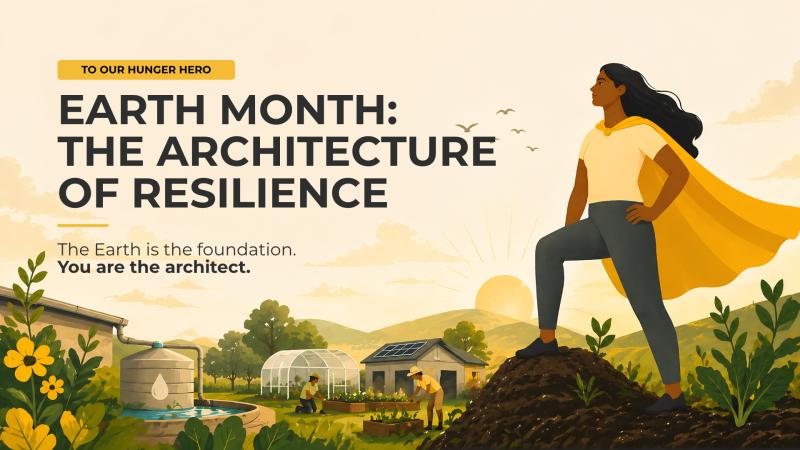
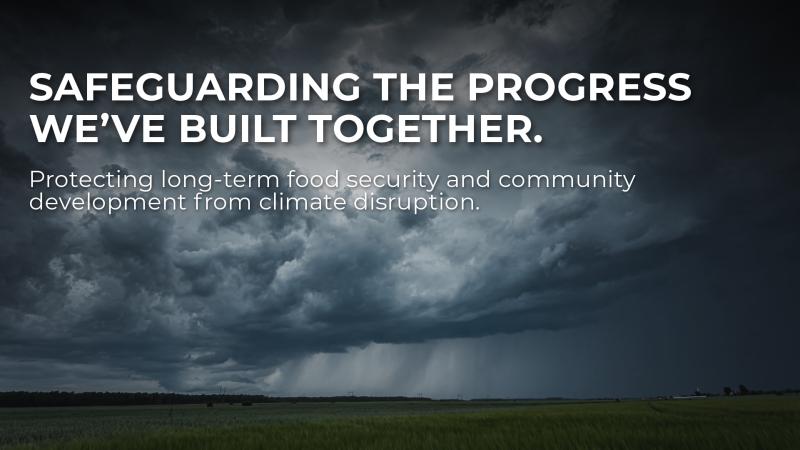
Hunger Heroes: Safeguarding the progress we’ve built together
Understanding the ShiftAcross South Africa, climate shocks are no longer seasonal anomalies. Floods, droughts, heatwaves, and sudden environmental disruptions are occurring with increasing frequency and broader geographic spread. These events are no longer confined to predictable...
2 min read
Field report
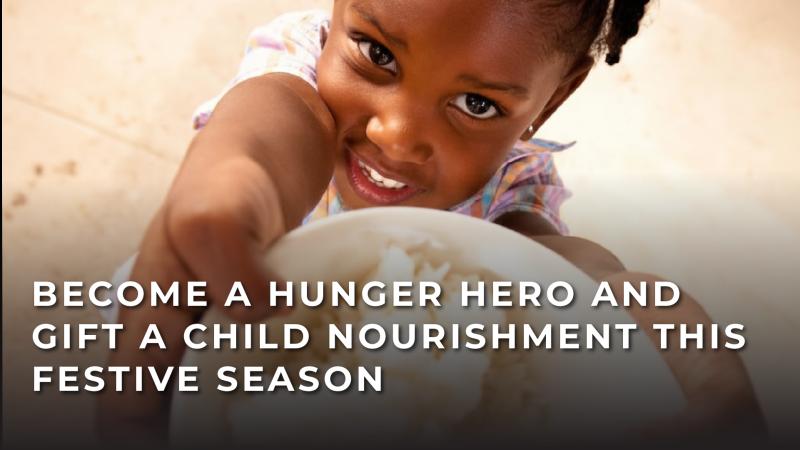
Become a Hunger Hero: Gift a Child Nourishment This Festive Season.
The holidays should be a sanctuary, a time when every child should experience warmth, rest, and security. Yet for too many children in South Africa, the holiday break brings something far more devastating. When schools and ECD centres close, the daily meal they rely on disappears...
4 min read