
Field report 4 min read
Msunduzi
Ongoing Broad-based Feeding Support, Nutrition Education, Health and Nutrition Awareness Campaigns, PRA Assessment, Ongoing Nutrition Surveillance and Anthropometric Surveys Assessmentss.
 Msunduzi
 PHASE 2
Achieved Statuses: Ongoing Broad-based Feeding Support, Nutrition Education, Health and Nutrition Awareness Campaigns, PRA Assessment, Ongoing Nutrition Surveillance and Anthropometric Surveys Assessmentss.
R0 of R100 000 raised
- R200
- R600
- R1000
- R2000
- Own Amount
- PayFast (Credit Card, Debit Card, Instant EFT)
- Manual EFT
First Name *
Last Name
Email Address *
Make this an anonymous donation.
Comment

Donation Total: R200.00
{amount} donation plus {fee_amount} to help cover fees.
Food Security Status in the area
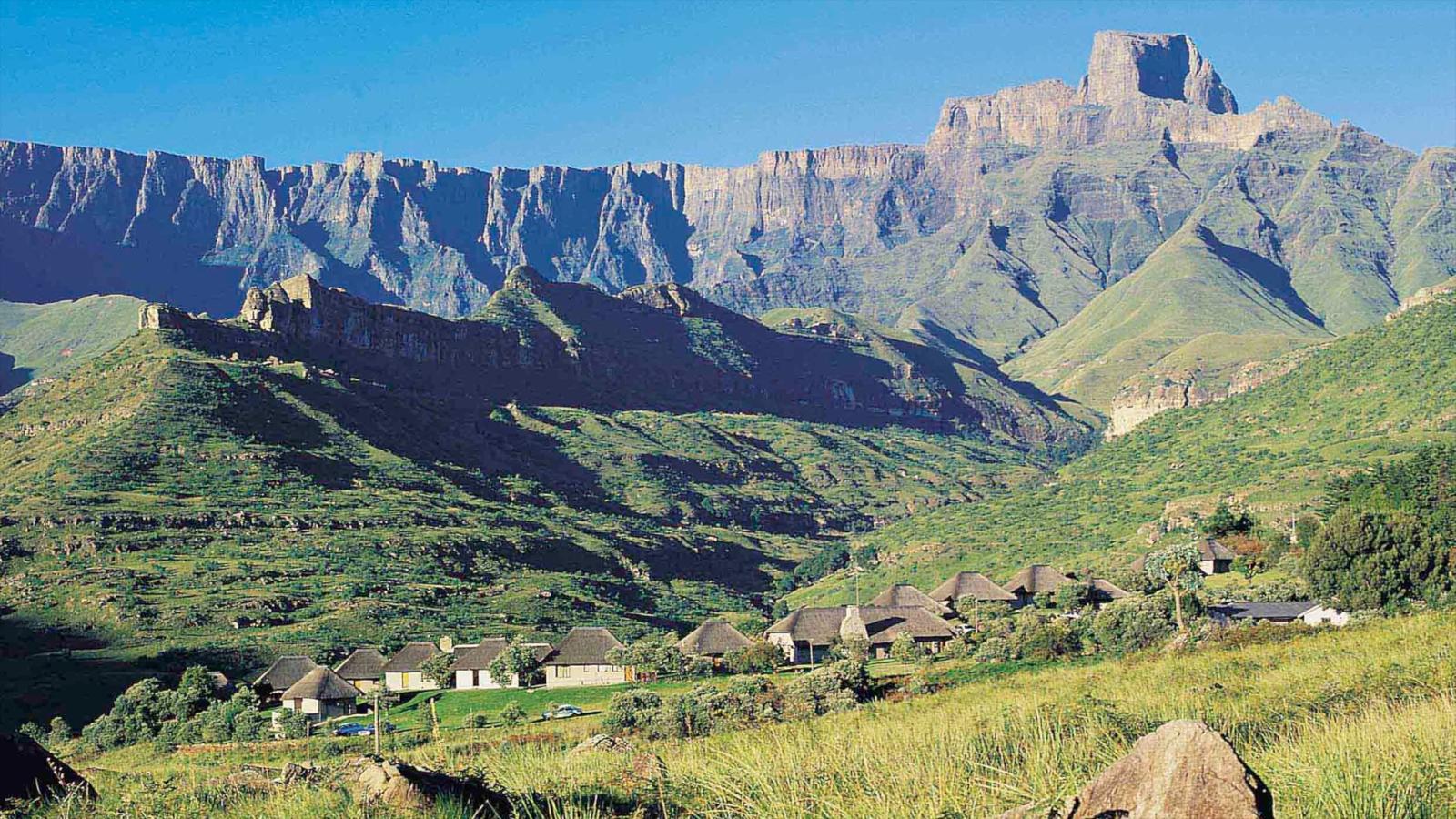
The Msunduzi Municipality is the provincial capital of the South African province of KwaZulu-Natal. It has over 600000 people. Attracting more worksheets, the population of Msunduzi is primarily young, with around half of the residents under 30 years of age and nearly 40% under 20 years of age. With high HIV/AIDS in the province, Msunduzi was one of the first municipalities in South Africa to develop an HIV/AIDS strategy well before the national and provincial strategies were rolled out which saw its elderly and youth adopt quickly. While child headed households are low, the number of children being born has also decreased in the area. With larger families being more inclusive of extended families, the number of female headed homes has increased to make up about 53% of the population. It cannot be assumed that the Msunduzi community is without its sense of ubuntu.
With the population profile is dominated by unskilled and semi-skilled, the main sources of income are social-grants, wage employment and part-time work. With an increasing number of people living in formal houses, the reportedly slow pace of formal housing delivery has caused frustration in the poorer areas. This has resulted in new informal structures “mushrooming” as a result.
Msunduzi is a city in which there is plenty of food but where the majority of the urban poor regularly go hungry. The mean HFIAS score for the Msunduzi households was 11.3 (with a median of 11), which indicates high overall levels of food insecurity. 60% of households in poor Msunduzi neighbourhoods are severely food insecure and another 27% are moderately food secure. Only 7% could be considered food secure. The majority of poor urban households in Msunduzi do not source any food from urban agriculture, rural–urban transfers or inter-household transfers. Almost all households buy the vast majority of the food they consume, a pattern observed in both of the other South African cities and, indeed, throughout the region as a whole. The informal food system in Msunduzi appears to be significantly smaller than in many other cities in the region. This could be because of intense competition from supermarkets. Only 42% of surveyed households reported
that they normally obtain food through informal channels, compared to 72% for the region as a whole. Dietary diversity was also extremely low. Food insecurity is clearly related to levels of income even in poor communities (with 78% of those in the lowest income band and 44% of those in the upper band experiencing severe food insecurity). Household size did not make a great deal of difference to levels of insecurity but female-centred households are more food insecure than male-centred households (64% versus 56% severely food insecure).
There is no data on Msunduzi’s IPC Acute Food Insecurity Analysis available. For this reason, data for eThekwini Municipality, which it falls under, will be used.
IPC ACUTE FOOD INSECURITY ANALYSIS
CURRENT- POPULATION
PROJECTED- POPULATION
KEY DRIVERS
None
2 024 212
1 705 151
Lived Poverty, Unemployment,
Stressed
674 737
852 576
Instability of Food Access,
Crisis
506 053
682 060
Food Affordability,
Emergency
168 684
170 515
Loss of Income,
Catastrophe
0
0
Covid-19 Impact, Informal Environment, Marginal/ Imbalanced Food Systems
Reading about it is one thing
R200 is a family food parcel: dry goods, tinned food and staples that carry a household through the month.
Give R200Keep reading
More from the ground

Field report
Hunger Heroes: Safeguarding the progress we’ve built together
Understanding the ShiftAcross South Africa, climate shocks are no longer seasonal anomalies. Floods, droughts, heatwaves, and sudden environmental disruptions are occurring with increasing frequency and broader geographic spread. These events are no longer confined to predictable...
2 min read
Field report
Become a Hunger Hero: Gift a Child Nourishment This Festive Season.
The holidays should be a sanctuary, a time when every child should experience warmth, rest, and security. Yet for too many children in South Africa, the holiday break brings something far more devastating. When schools and ECD centres close, the daily meal they rely on disappears...
4 min read