
Field report 2 min read
Transforming Limpopo’s Nutrition Future
During the month of October in commemoration of World Food Month, Operation Hunger highlights the nutrition status in the Limpopo province with the focus on rural prosperity in the wider context of transforming food systems and their role in delivering accessible, affordable heal...
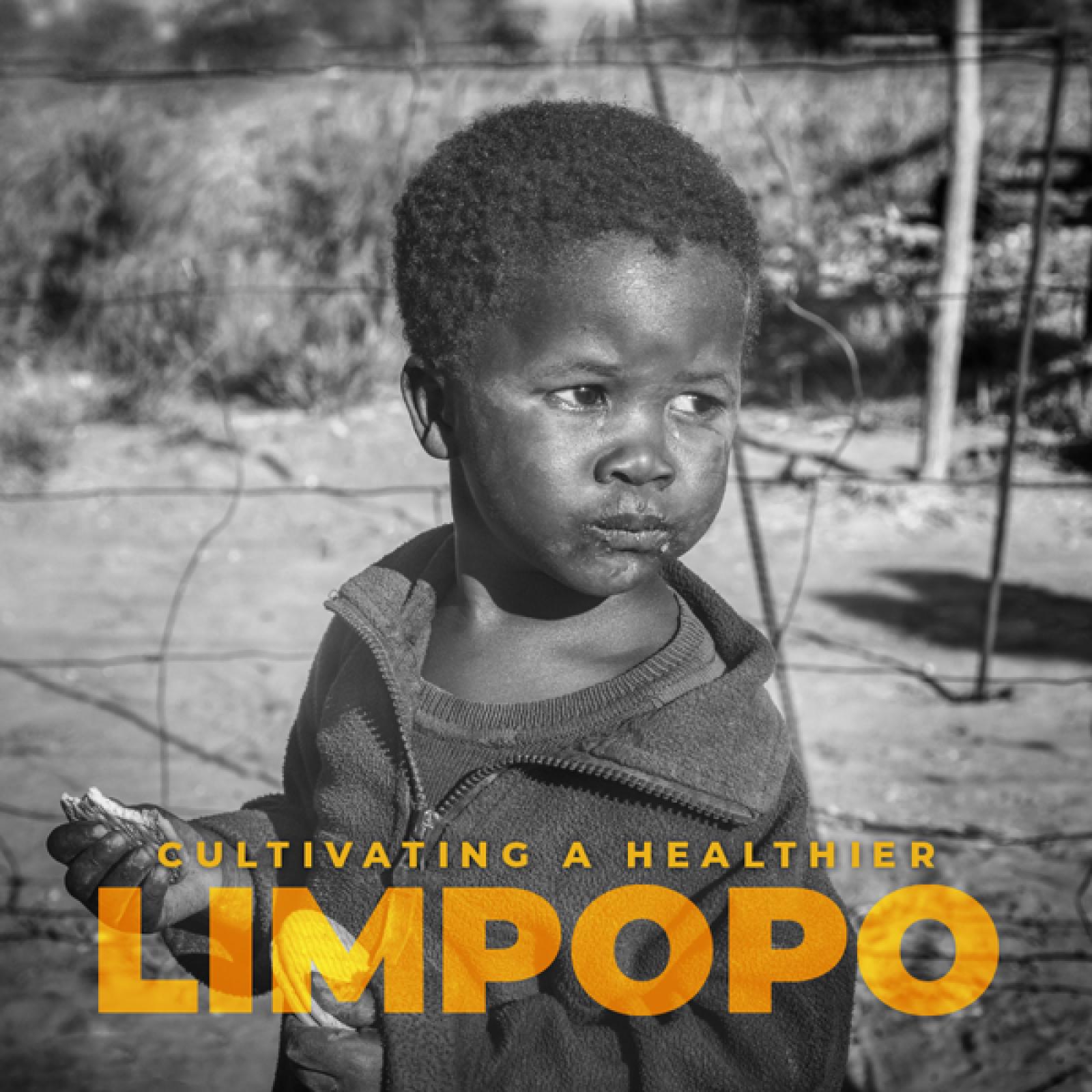

During the month of October in commemoration of World Food Month, Operation Hunger highlights the nutrition status in the Limpopo province with the focus on rural prosperity in the wider context of transforming food systems and their role in delivering accessible, affordable healthy diets for all.
Using Limpopo as proof of context, in our previous issue we began by illustrating the changing patterns of population agglomerations across the rural–urban continuum and its interface as a place of exchange and socioeconomic interactions, how it is reshaping and being reshaped by changing trends in the food systems, agri-food systems and the wider food environment with implications for the availability and affordability of healthy diets, and in turn, for food security and nutrition. We provided evidence to showcase that food purchases are no longer high only among urban households but are also increasingly high within rural households. The consumption of highly processed foods is also increasing in peri-urban and rural areas within the province. This makes availability, access and affordability vital especially for low-income house households.
Operation Hunger advocates for an inclusive approach to transforming food systems, that considers the diversity of rural-urban people’s contexts, circumstances, vulnerabilities and opportunities. With the understanding that the continuing undernutrition, escalating overnutrition and high micronutrient deficiency can be resolved only if people produce and consume a more diverse and nutrient-dense diet. An ambitious focus on improving the nutrition of both rural and urban population has a potential double dividend for rural livelihoods. Producing greater volumes of higher value fruits, vegetables and protein can drive growth in the rural food economy. In turn, this can contribute to rural households being able to access and afford more nutritious food – improving their health, productivity and quality of life. Addressing dietary and nutrition inequities is about improving the distribution of opportunities to live a healthy and fulfilling life.
Reading about it is one thing
R200 is a family food parcel: dry goods, tinned food and staples that carry a household through the month.
Give R200Keep reading
More from the ground
Field report
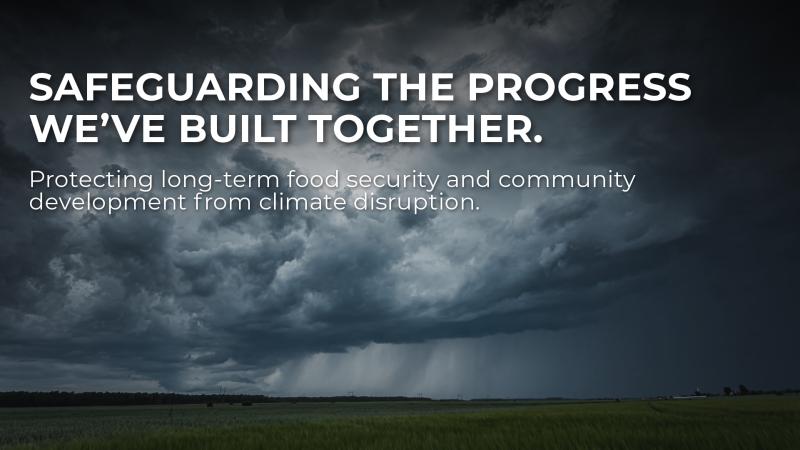
Hunger Heroes: Safeguarding the progress we’ve built together
Understanding the ShiftAcross South Africa, climate shocks are no longer seasonal anomalies. Floods, droughts, heatwaves, and sudden environmental disruptions are occurring with increasing frequency and broader geographic spread. These events are no longer confined to predictable...
2 min read
Field report
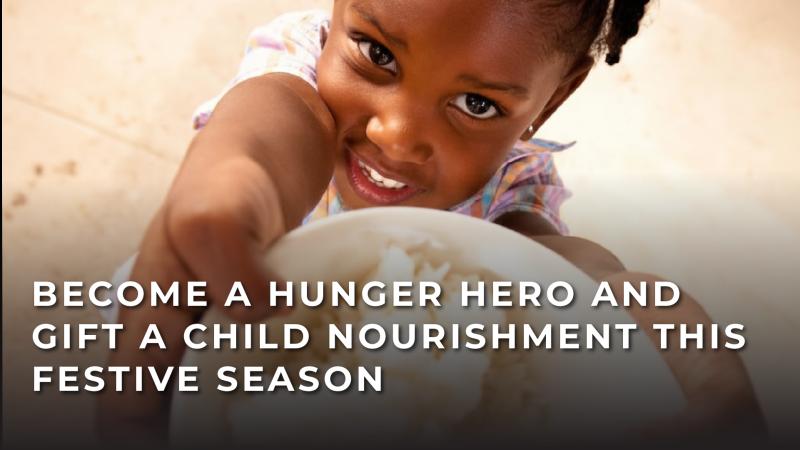
Become a Hunger Hero: Gift a Child Nourishment This Festive Season.
The holidays should be a sanctuary, a time when every child should experience warmth, rest, and security. Yet for too many children in South Africa, the holiday break brings something far more devastating. When schools and ECD centres close, the daily meal they rely on disappears...
4 min read