
Msunduzi
Transformation in Motion
KwaZulu-Natal
Phase 2 of 5
Relief
R30 000 raised of R500 000
6%
—
People fed directly
—
Reached indirectly
—
Households
1 of 5
Phases complete
Food security in Msunduzi
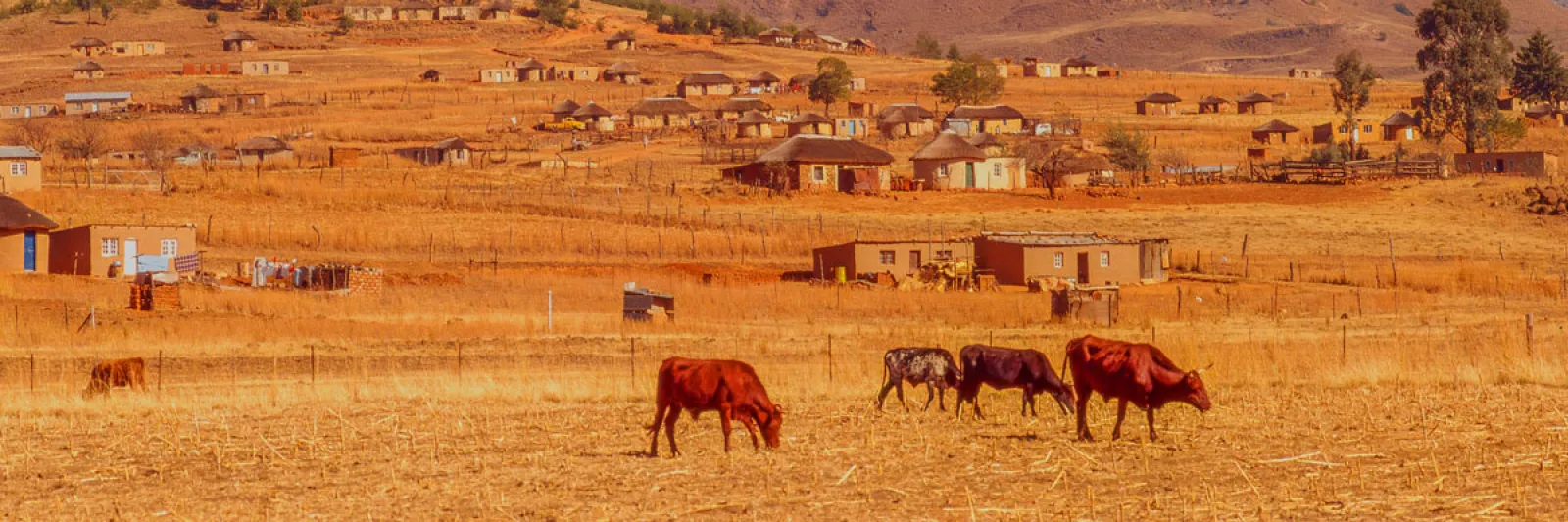
The Msunduzi Municipality, a primarily young city in KwaZulu-Natal, faces significant challenges. Despite its youthful population, Msunduzi has a high rate of HIV/Aids and a growing number of female-headed households. While the city has made progress in addressing these issues, poverty and food insecurity remain significant problems. Most residents rely on social grants and low-wage jobs, and many struggle to find affordable housing. Despite efforts to promote urban agriculture, most households rely on supermarkets for food, contributing to high levels of food insecurity.
The journey so far
Every community follows the same five phases. Open one to see what was done, what it produced, and when. How the model works.
-
We measure what is actually happening in the community, so the response fits the need rather than a template.
What we do
- Anthropometric screening
- Nutrition surveillance
- Nutritional risk screening
- Malnutrition Universal Screening Tool (MUST)
- Participatory Rural Appraisal (PRA) assessment
- Household Food Insecurity Access Scale (HFIAS)
What the community gains
- Malnutrition Index Profile
- Early detection and prevention
- Vulnerability stratification
- Priority targeting
- Evidence-informed programming
- Auditable monitoring and evaluation
- Community agency literacy
-
Immediate, dignified food support that stabilises households while the longer work begins.
What we do
- Community broad-based feeding support
- Early childhood development centre feeding
- Surplus food recovery and redistribution
What the community gains
- Nutritional stabilisation and dietary adequacy
- Growth and health protection
- Maternal and child protection
- Protective care environments
- Vulnerability reduction
-
Land, water and skills turn relief into production the community owns.
What we do
- Identified agricultural site
- Biodiverse community garden established
- Water access and irrigation
- Complementary rural enterprise establishment
What the community gains
- Local food production capacity
- Income generation
- Reduced dependency on external supply
-
Knowledge that outlasts our presence: nutrition, hygiene and how to run the projects.
What we do
- Health and nutrition campaign
- Water, sanitation and hygiene (WASH)
- Nutrition education
- Project management and survey training
What the community gains
- Informed food choices
- Sustainable feeding practices
- Sustainable behavioural change
- Improved hygiene practices
- Heightened health awareness
- Technical health literacy
-
The community runs, funds and grows the work itself.
What we do
- Sustainable gardening
- Environmental advocacy
- Clinical hygiene initiatives
What the community gains
- Self-sustaining local food system
- Community-owned governance
- Lasting nutrition security
More in KwaZulu-Natal
The same model, the same measurements, a different community.
Phoenix Section 2
R152 000 raised of R75 500
100%
Northdale
R87 000 raised of R400 000
21.8%
KwaMgwagwa
R59 000 raised of R400 000
14.8%