
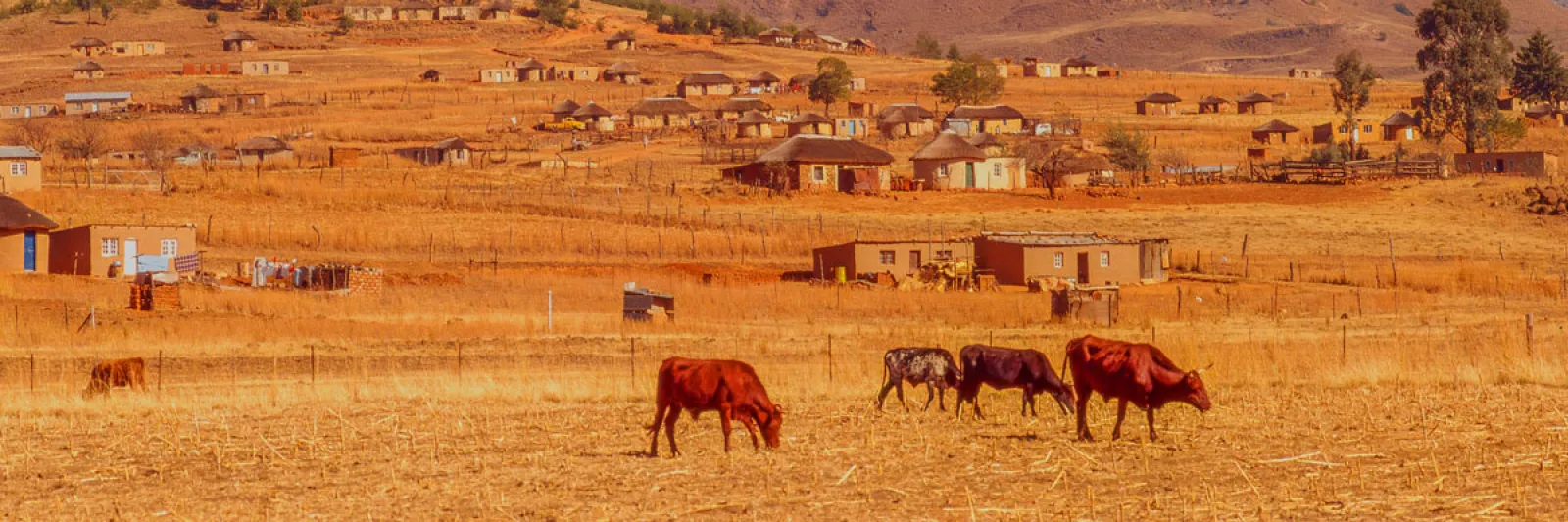
Cedara Emandleni
Transformation in Motion
KwaZulu-Natal
Phase 1 of 5
Assessment
R83 000 raised of R500 000
16.6%
1 500
People fed directly
86
Reached indirectly
—
Households
0 of 5
Phases complete
The journey so far
Every community follows the same five phases. Open one to see what was done, what it produced, and when. How the model works.
-
We measure what is actually happening in the community, so the response fits the need rather than a template.
What we do
- Anthropometric screening
- Nutrition surveillance
- Nutritional risk screening
- Malnutrition Universal Screening Tool (MUST)
- Participatory Rural Appraisal (PRA) assessment
- Household Food Insecurity Access Scale (HFIAS)
What the community gains
- Malnutrition Index Profile
- Early detection and prevention
- Vulnerability stratification
- Priority targeting
- Evidence-informed programming
- Auditable monitoring and evaluation
- Community agency literacy
-
Immediate, dignified food support that stabilises households while the longer work begins.
What we do
- Community broad-based feeding support
- Early childhood development centre feeding
- Surplus food recovery and redistribution
What the community gains
- Nutritional stabilisation and dietary adequacy
- Growth and health protection
- Maternal and child protection
- Protective care environments
- Vulnerability reduction
-
Land, water and skills turn relief into production the community owns.
What we do
- Identified agricultural site
- Biodiverse community garden established
- Water access and irrigation
- Complementary rural enterprise establishment
What the community gains
- Local food production capacity
- Income generation
- Reduced dependency on external supply
-
Knowledge that outlasts our presence: nutrition, hygiene and how to run the projects.
What we do
- Health and nutrition campaign
- Water, sanitation and hygiene (WASH)
- Nutrition education
- Project management and survey training
What the community gains
- Informed food choices
- Sustainable feeding practices
- Sustainable behavioural change
- Improved hygiene practices
- Heightened health awareness
- Technical health literacy
-
The community runs, funds and grows the work itself.
What we do
- Sustainable gardening
- Environmental advocacy
- Clinical hygiene initiatives
What the community gains
- Self-sustaining local food system
- Community-owned governance
- Lasting nutrition security
More in KwaZulu-Natal
The same model, the same measurements, a different community.
Phoenix Section 2
R152 000 raised of R75 500
100%
Northdale
R87 000 raised of R400 000
21.8%
Msunduzi
R30 000 raised of R500 000
6%